Mad Supps
You’re in your late 30s or early 40s. The energy that used to carry you through long training sessions has
quietly faded. Your drive in the gym, and frankly everywhere else, isn’t what it was. Someone tells you to
look into TRT. Someone else swears by a natural testosterone booster. Both sound reasonable. Neither
explanation actually tells you what separates the two, who each one is built for, or when one approach is
genuinely better than the other.
When weighing a testosterone booster vs TRT, the decision comes down to your lab numbers, your
symptom picture, and a clear understanding of what each approach can and cannot do. This article
delivers a straight clinical comparison: the mechanism behind each option, what the research actually
shows the full risk picture on both sides and a realistic cost breakdown. Here’s what the evidence
actually shows.

How Does Each Option Work in the Body?
Before you can compare testosterone replacement therapy to an over-the-counter supplement, you need
to understand that these two approaches operate on entirely different levels. They are not
interchangeable tools doing the same job at different intensities. They work through completely separate
mechanisms.
What OTC Testosterone Boosters Actually Do:
Natural testosterone supplements do not deliver testosterone directly into your body. Instead, they work
by supporting the hormonal signaling pathways your body already uses, specifically the hypothalamic-pituitary-gonadal (HPG) axis, which controls endogenous testosterone production. Ingredients like
ashwagandha, fenugreek, zinc, and vitamin D encourage your body to produce more of its own
testosterone, working within your existing physiological ceiling. The results you get depend heavily on
ingredient quality, the specific extract used, effective dosing, and your baseline hormone levels going in.
What TRT Does and Why It’s a Clinical Intervention:
Testosterone replacement therapy delivers exogenous testosterone directly, bypassing the HPG axis
entirely rather than supporting it. Common delivery methods include injections, topical gels, and
subcutaneous pellets. Because your body detects elevated testosterone levels, it suppresses its own
natural production in response. Serum levels rise predictably and significantly. This is a systemic change
that requires a diagnosis, a prescription, and ongoing medical oversight. The commitment and risk profile
are in a different category from taking a daily supplement, which is why the two options shouldn’t be
evaluated as if they exist on the same scale.
Testosterone Booster vs TRT:
What the Clinical Evidence Shows
The research on both sides is real, but it doesn’t tell a simple story. The key is understanding what each
intervention can and cannot do, and for whom the evidence was gathered.
The Ingredient Science Behind Testosterone Boosters
Among OTC ingredients, fenugreek and ashwagandha carry the strongest data. Multiple double-blind,
placebo-controlled trials on fenugreek extract (including the Testofen® and IND9 trial series) show total
testosterone increases of 12 to 28 percent versus placebo, with free testosterone rising alongside total
levels in several studies. KSM-66 ashwagandha trials demonstrate 10 to 17 percent total testosterone
increases in three of four RCTs reviewed, primarily in stressed or resistance-trained men. These are real,
measurable numbers from controlled trials. Worth noting: these gains occur within your natural
physiological ceiling, not above it, and results vary by extract type, dosage, and baseline hormone levels.
Effect sizes observed in these studies reflect the specific populations tested and may not generalize to all
men. Data on zinc and DHEA are more mixed. Research suggests that as few as 25 percent of OTC
testosterone supplements on the market are backed by meaningful ingredient-level clinical data, which
makes choosing a transparently labeled, properly dosed product essential rather than optional.
How Fast Prescription Testosterone Raises Levels and What to Expect
With standard injection protocols using testosterone cypionate or enanthate at 100 to 200 mg per week,
men typically stabilize in the 400 to 700 ng/dL range. Symptom improvements often begin around 3 to 6
weeks, with clearer changes by 3 to 6 months and full effects potentially taking up to 12 months. Gels
produce similar outcomes on a slightly different curve, with serum monitoring commonly recommended
around 14 days after starting to assess absorption. Fluctuations in how you feel are common with
infrequent dosing, which is why splitting weekly injection doses is standard practice for better stability.
Safety, Risks, and What Gets Monitored
Both options carry real considerations. Understanding them is how you make an informed decision rather
than a convenient one.
Documented TRT Risks and Who Should Never Start It
Short-term TRT risks include acne, fluid retention, elevated hematocrit leading to polycythemia, injectionsite reactions, and potential gynecomastia. The longer-term picture includes suppression of natural
testosterone production, infertility through spermatogenesis suppression (which may take 6 to 24 months
to recover after stopping), prostate stimulation, worsened sleep apnea, and elevated cardiovascular risk in
men with pre-existing conditions. Absolute contraindications include active prostate or breast cancer,
hematocrit above 50%, recent cardiovascular events, and plans to father children in the near term.
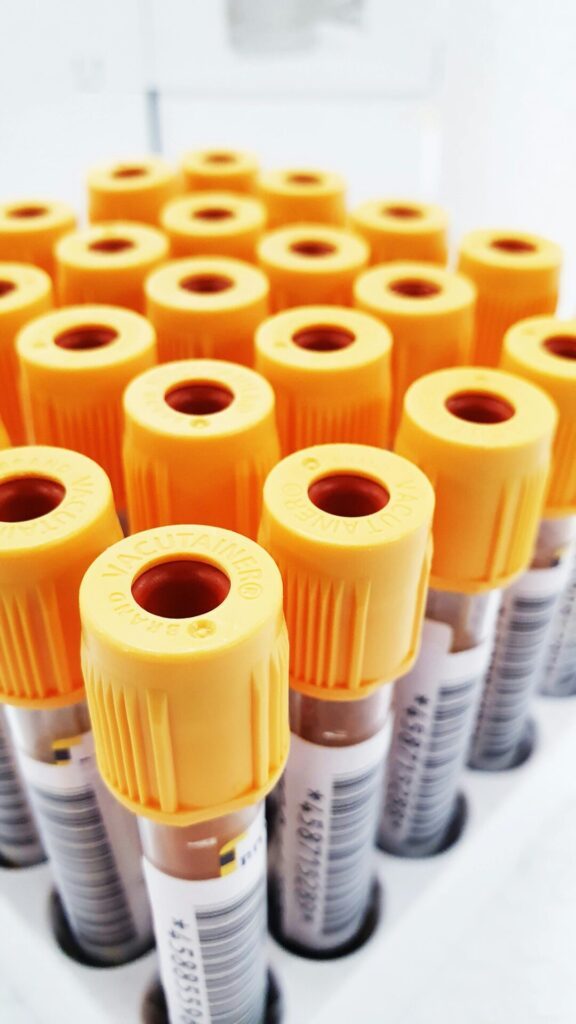
Ongoing monitoring includes PSA levels, hematocrit, and serum testosterone checks at 3 to 6 month
intervals. These are non-negotiable clinical requirements. For a focused primer on how TRT can affect
fertility and spermatogenesis, see this overview on TRT and infertility: can testosterone replacement
therapy (TRT) cause infertility.
What We Know About Supplement Safety
Testosterone boosters formulated with clinically studied ingredients like ashwagandha, fenugreek, and
zinc show far fewer documented adverse effects than TRT in available trial data. No prescription is
required, no labs are mandated, and adverse events in published studies have generally been minimal.
That said, OTC supplements are not FDA-approved drugs, and quality control varies widely across the
market. Fewer documented adverse events is not the same as a proven clean safety record, particularly
given the lack of large-scale, long-term supplement safety trials. Some products exceed safe vitamin and
mineral limits, and certain ingredients, including tribulus terrestris, have been linked to hepatotoxicity in
case reports. A supplement with transparent labeling, clinically studied doses, and a reputable
manufacturer isn’t a bonus consideration; it’s the starting point. For more on what to look for in highperformance formulations, the science of pre-workouts offers a useful framework that applies to
testosterone-support supplements as well.
Cost and Access: Testosterone Booster vs TRT
Your decision shouldn’t be made without a clear financial picture on both sides. The cost gap between
these options is significant and often underestimated.
Breaking Down the Real Cost of TRT
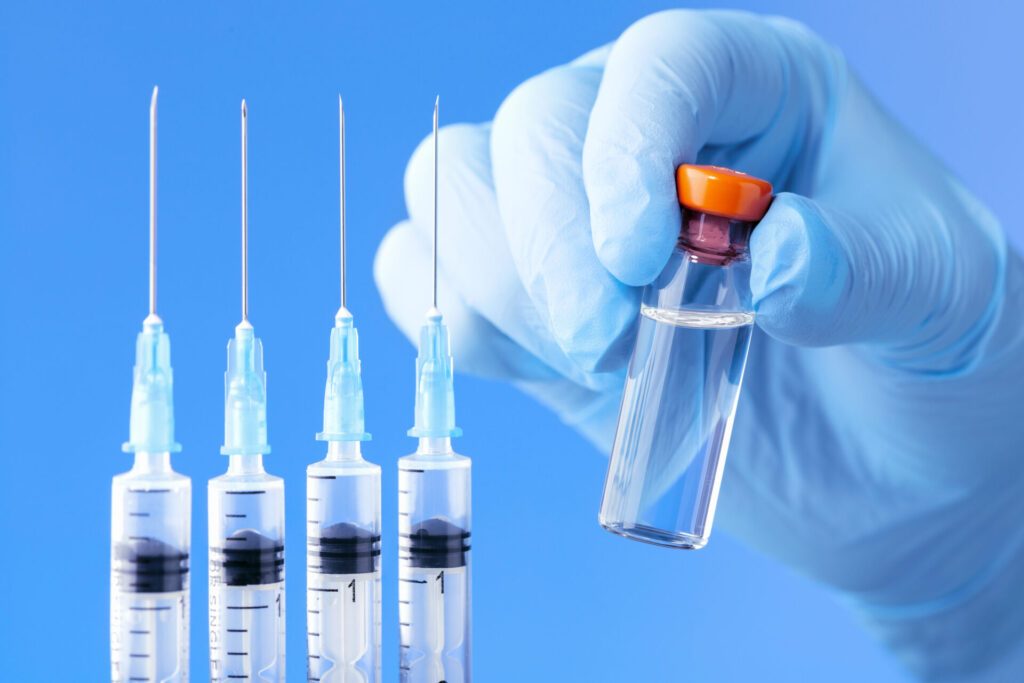
Injection medication alone costs $30 to $120 per month, but that’s only part of the bill. Add initial
consultations ($100 to $300), regular clinic visits ($50 to $150 each, often monthly or quarterly), and
annual lab work that runs $500 to $1,500 per year, and your total annual out-of-pocket cost without
insurance lands between $1,800 and $3,000 for injections, and up to $7,200 per year for gels or branded
formulations. Telehealth TRT platforms have reduced some of these costs, with certain all-inclusive
Subscriptions run $99 to $200 per month, but monitoring requirements don’t disappear regardless of
delivery model. The first year is consistently the most expensive due to initial diagnostics and
consultations. For a practical breakdown of typical patient costs and subscription options, see an
independent cost guide on how much TRT costs.
What Natural Testosterone Supplements Actually Cost
OTC testosterone boosters typically run $20 to $100 per month with no required medical supervision,
labs, or scheduled follow-ups. A year’s supply of a quality supplement costs $240 to $1,200 total. For men
who don’t yet have a clinical diagnosis or who are still in the symptom-evaluation phase, this difference is
meaningful both financially and logistically. No clinic schedule, no prescription, no mandatory blood
draws. For men exploring whether hormone support can move the needle before committing to a full
medical workup, the lower barrier to entry is a real practical advantage.
Who Each Option Is Actually Built For
The right choice depends on where your labs sit and what your symptom picture looks like, not on which
option sounds more powerful.
The Clinical Case for TRT:
Who Actually Qualifies
TRT is indicated for men with clinically confirmed hypogonadism. According to Endocrine Society
guidelines, diagnosis requires consistent symptoms alongside low testosterone confirmed by two
separate morning fasting blood draws. The 264 ng/dL figure appears in the literature as a commonly cited
lower-percentile reference point, but the applicable cutoff depends on your lab’s reference range, and
guidelines emphasize that symptoms must accompany low lab values for TRT to be appropriate. Relevant
symptoms include low libido, erectile dysfunction, fatigue, reduced muscle mass, and low bone density.
Free testosterone testing is added when total levels fall in the borderline 200 to 400 ng/dL range. Without
both the lab evidence and the symptom picture together, prescription testosterone is not the appropriate
first step. Men over 65 with low levels but no symptoms are specifically not recommended for TRT under
current guidelines, as long-term data in that population doesn’t support routine use.
When Starting With Natural Testosterone Support Makes More Sense
Men whose testosterone sits in the low-normal range, men experiencing early symptoms without a formal
clinical diagnosis, and men who want to support hormone health before pursuing a prescription route are
reasonable candidates for a natural testosterone booster. It’s worth noting that even men with borderline
or suboptimal symptoms benefit from running labs first to rule out true hypogonadism or other underlying
causes before selecting any support strategy.
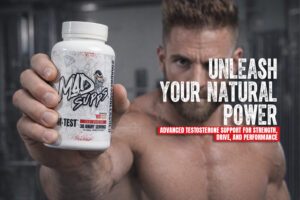
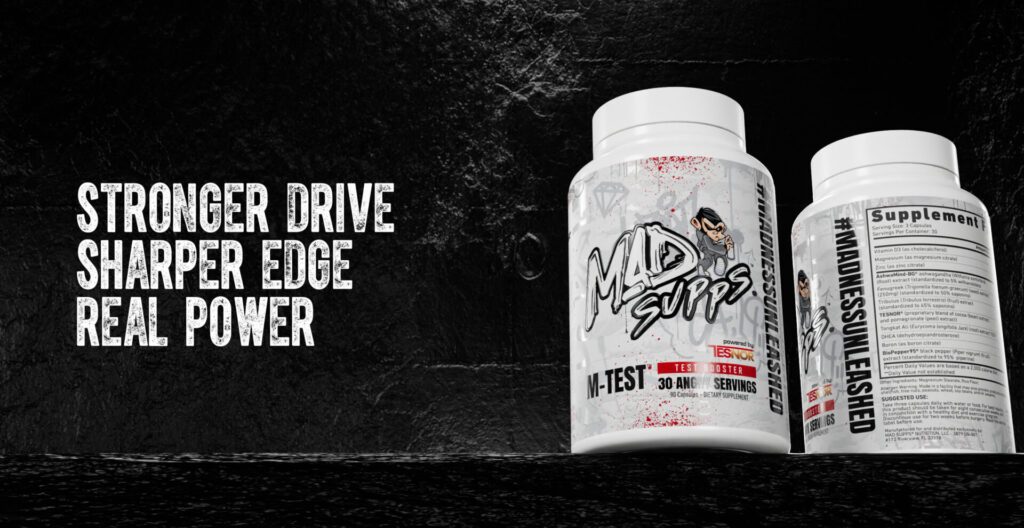
This is the profile M-TEST by Mad Supps is built for. It’s formulated with ingredients that have been
studied in clinical trials at doses consistent with the research, supporting natural testosterone production
through the HPG axis without suppressing it. No prescription required, no lab schedule, and it fits into any
training and health routine without friction, whether your goal is greater strength, endurance, or general
vitality. If you’re focused on improving performance and recovery specifically, see our guide on
Supplementing for Endurance: How to Boost Your Energy and Performance for evidence-informed strategies that pair well with M-TEST. For athletes and active individuals looking to support mobility and joint comfort alongside performance and recovery, M-FLEX ® can also be incorporated into a well-rounded training support stack.Note that the clinical evidence referenced in this article applies toindividual ingredients; product-level trial data specific to M-TEST has not been published.Low-normal testosterone with early symptoms but no clinical hypogonadism diagnosisMen 30 to 50 experiencing declining energy, performance, or drive who haven’t yet run labsActive men who want to optimize hormone health before exploring prescription optionsThose who want to preserve natural testosterone production while supporting it.
Making the Right Call: Testosterone Booster vs TRT
The decision framework isn’t complicated once you strip away the noise from both sides. If your labs
show confirmed low testosterone on two separate morning tests combined with clear, consistent
symptoms, a conversation with an endocrinologist or urologist about TRT is the right next move. That’s
what the clinical evidence and current guidelines support. Don’t talk yourself out of it when the data points
there.
If you’re in the earlier stages of declining performance, suboptimal energy, or a hormone picture that
hasn’t crossed clinical thresholds, a quality natural testosterone booster is a reasonable and evidence-informed starting point. M-TEST by Mad Supps is built for this window, with transparent ingredients.
doses consistent with the published research and a money-back guarantee. It’s not a substitute for TRT
when TRT is genuinely indicated. It’s the right tool for men who don’t need a prescription drug yet and who
want to address their hormone health with the same seriousness they bring to their training.
Start with your labs. Know your numbers. Then choose the option that actually matches your situation.
The ingredient specs and full product details for M-TEST are on the Mad Supps site. Go look at both, and
for a broader primer on getting started with evidence-backed supplementation, check out our Top
Supplements for Bodybuilding guide.
M-TEST ™ by MAD SUPPS